
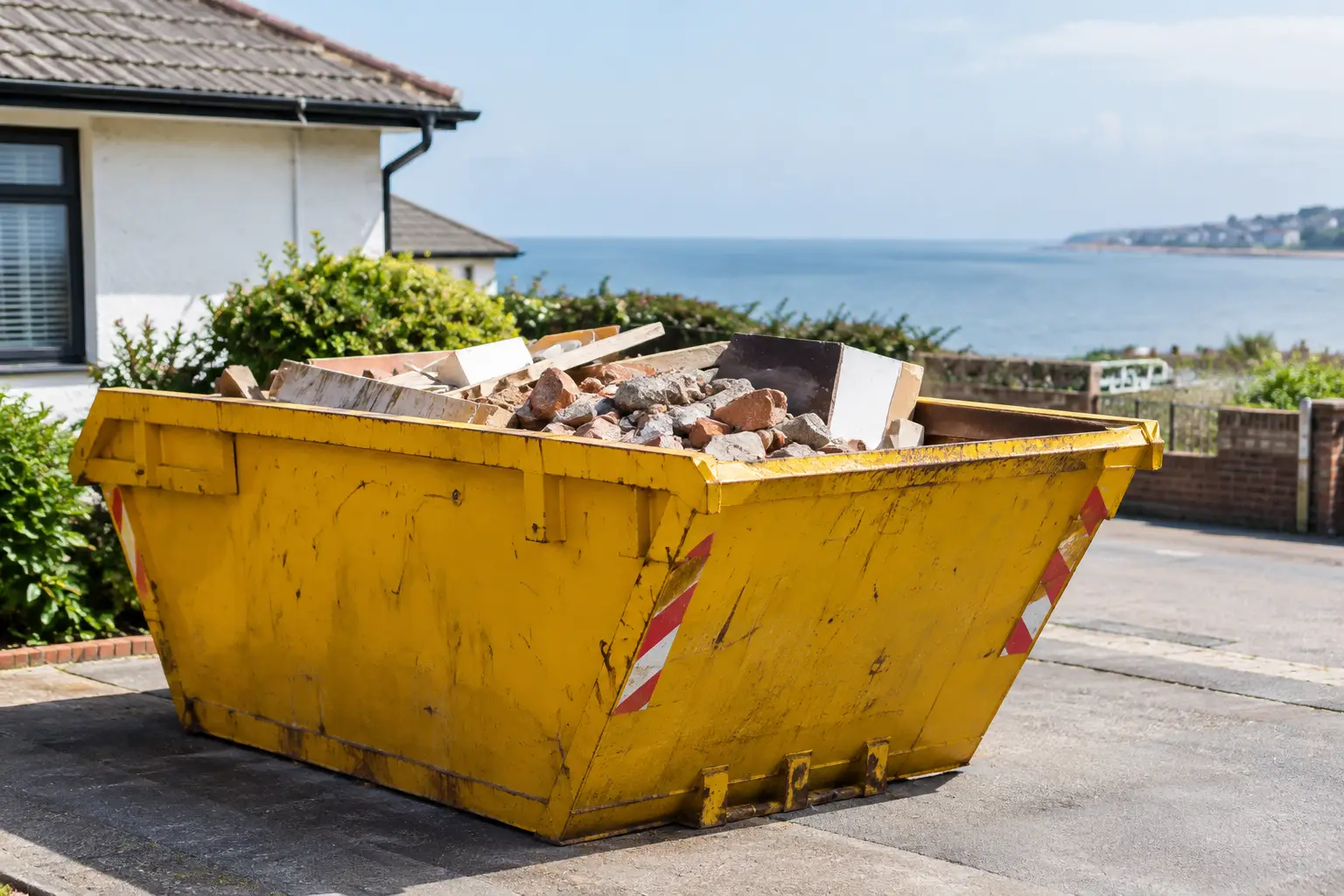
A garden clear-out can look manageable until the first pile of soil, old timber and broken paving slabs starts taking over the drive. The same goes for kitchen refits, moving house and landlord clearances. When you are comparing skip hire prices in Lancing, the cheapest advertised figure is only useful if the skip is the right size, can be placed where you need it and accepts the waste you have.
A well-chosen skip keeps the job moving. A poorly chosen one can leave you paying for extra collections, struggling with waste that cannot go in it, or arranging a permit at the last minute. Here is what usually affects the price and how to choose a straightforward waste solution for your job.
What affects skip hire prices in Lancing?
Skip hire is usually priced as one service: delivery, a set hire period, collection and responsible disposal are included in the quoted amount. However, the final cost can change depending on the size of skip, the type of waste, where it will sit and whether it needs to be kept longer than planned.
The biggest factor is capacity. A small skip is sensible for a minor bathroom job or a compact garden tidy-up. For a larger renovation, full garage clearance or several rooms of household waste, going too small can be a false economy. Hiring a second skip normally costs more than choosing enough space at the start.
Access matters too. A skip placed on a private drive is generally simpler to arrange than one placed on a public road. If there is no room off-road, a council permit may be required before delivery. Permit costs and approval times can vary, so this is worth checking before you book rather than on the morning the work begins.
The material being disposed of also affects what is possible. General mixed waste is common, but heavy materials such as soil, rubble, concrete and bricks need careful loading and may require a suitable skip size. Certain items, including tyres, gas bottles, paint, chemicals, asbestos, fridges and electrical goods, cannot simply be thrown into a general skip. Tell the provider what you are clearing so they can advise on the right route.
Choosing the right skip size for the job
For most domestic jobs, the question is not “How much can I fit in?” but “What will I realistically clear once I get started?” Decluttering has a habit of growing. That old shed may reveal broken pots, fencing, rusty tools and bags of rubbish behind it. A renovation can create bulky packaging as well as the old fittings you expected to remove.
A 2-yard skip is useful where space is tight and the waste volume is modest. It can suit small DIY jobs, a few garden bags and light household rubbish. It is not the best choice for a major clear-out or dense construction waste.
A 4-yard skip is a practical middle ground for bathroom refits, garden waste, small room renovations and garage clearances. It offers more room without taking over a typical driveway.
For larger projects, 6-yard and 8-yard skips are often better suited to kitchen work, multiple-room clearances, larger garden projects and light building waste. These sizes can save repeated trips to the tip and keep waste safely contained while work is underway. The right choice still depends on the material. An 8-yard skip filled entirely with heavy soil or rubble may not be appropriate, even if the volume fits.
Do not plan to pile waste above the rim. Overfilled skips can be unsafe to transport, particularly on roads through Lancing, and may not be collected until the load is made safe. Keep everything level with the top edge and break down bulky items where practical.
A quick way to judge capacity
Think about the waste in three groups: bulky items, bagged rubbish and heavy materials. Bulky furniture fills space quickly, while rubble weighs heavily even when it takes up less room. If you have a mix of both, allow extra capacity rather than judging by the number of black bags alone.
It also helps to decide whether the skip will be filled gradually or loaded in one go. A skip on the drive for a week can make a renovation easier, but a quick clearance may be better handled by a collection service if there are only a few large items to remove.
Skip placement and permits in Lancing
Before booking, measure the available space and consider access for the delivery lorry. Gates, parked cars, low branches, narrow roads and overhead cables can all affect where a skip can be safely placed. Move vehicles in advance and make sure the driver has a clear approach.
Private land is usually the easiest option. A driveway, front garden with firm access, or suitable hardstanding can avoid the need for a highway permit. Be mindful of block paving, soft ground and any underground drains or covers. A loaded skip is heavy, especially if it contains bricks, soil or concrete.
If the skip needs to sit on the road, permit arrangements should be confirmed early. Some locations may also need lights, cones or other safety measures. This is not a detail to leave until the last minute, particularly if builders are due to start or you have a tight end-of-tenancy deadline.
When a skip is not the best-value option
Skip hire is flexible, but it is not automatically the best answer for every waste problem. If you have no driveway and do not want a permit, or you only have a sofa, mattress, white goods or a handful of bulky items, a collection can be more convenient.
A rubbish removal service is useful when you want the waste taken away without doing the loading yourself. This can be a good option for landlords between tenancies, families clearing a relative’s property, or anyone dealing with stairs, heavy furniture or a tight access route.
Skip bags can work well for smaller jobs where you do not want a metal skip taking up the drive. They are particularly handy for gradual garden work, light DIY waste and household decluttering. For excavation spoil, landscaping materials or a substantial building project, a skip or grab lorry may be more suitable.
The point is to pay for the service that matches the job, not simply the one that seems cheapest at first glance. A low skip price is not good value if you still need to arrange separate disposal for restricted items or hire another container halfway through.
How to keep the cost clear from the start
The easiest way to avoid surprises is to give an honest description of the job when requesting a price. Say what you are clearing, roughly how much there is, whether any waste is heavy, and where the skip will go. If you are unsure, mention the larger items you can see – wardrobes, fencing, paving slabs, old units or bagged soil – rather than guessing the total volume.
Ask how long the hire period covers and what happens if your work overruns. DIY jobs and trades can both run longer than expected because of weather, deliveries or hidden repair work. Knowing the extension process in advance makes planning easier.
It is also sensible to keep unsuitable items separate from the beginning. Do not use the skip as a catch-all for paint tins, batteries, gas cylinders or electrical items. Aside from creating a disposal issue, mixing prohibited waste into a load can delay collection and add avoidable cost.
For shared projects, make one person responsible for loading rules. This is especially helpful on rental properties, neighbour clear-outs and small building sites, where different people may add waste over several days. A simple agreement about what can go in the skip keeps it safe and prevents space being lost to items that need another disposal method.
A local option for fast, practical waste removal
Whether you need a 2-yard skip for a home tidy-up or a larger container for renovation waste, the aim is the same: get the rubbish out of the way without adding hassle to the job. D J Recycling provides local skip hire and alternative clearance options for customers who need a quick, practical answer rather than a complicated process.
If your job is ready to begin, check the available space, separate anything that cannot go into general waste and choose a size with a little room to spare. A clear quote based on the actual job will usually save more than chasing the lowest headline price.