
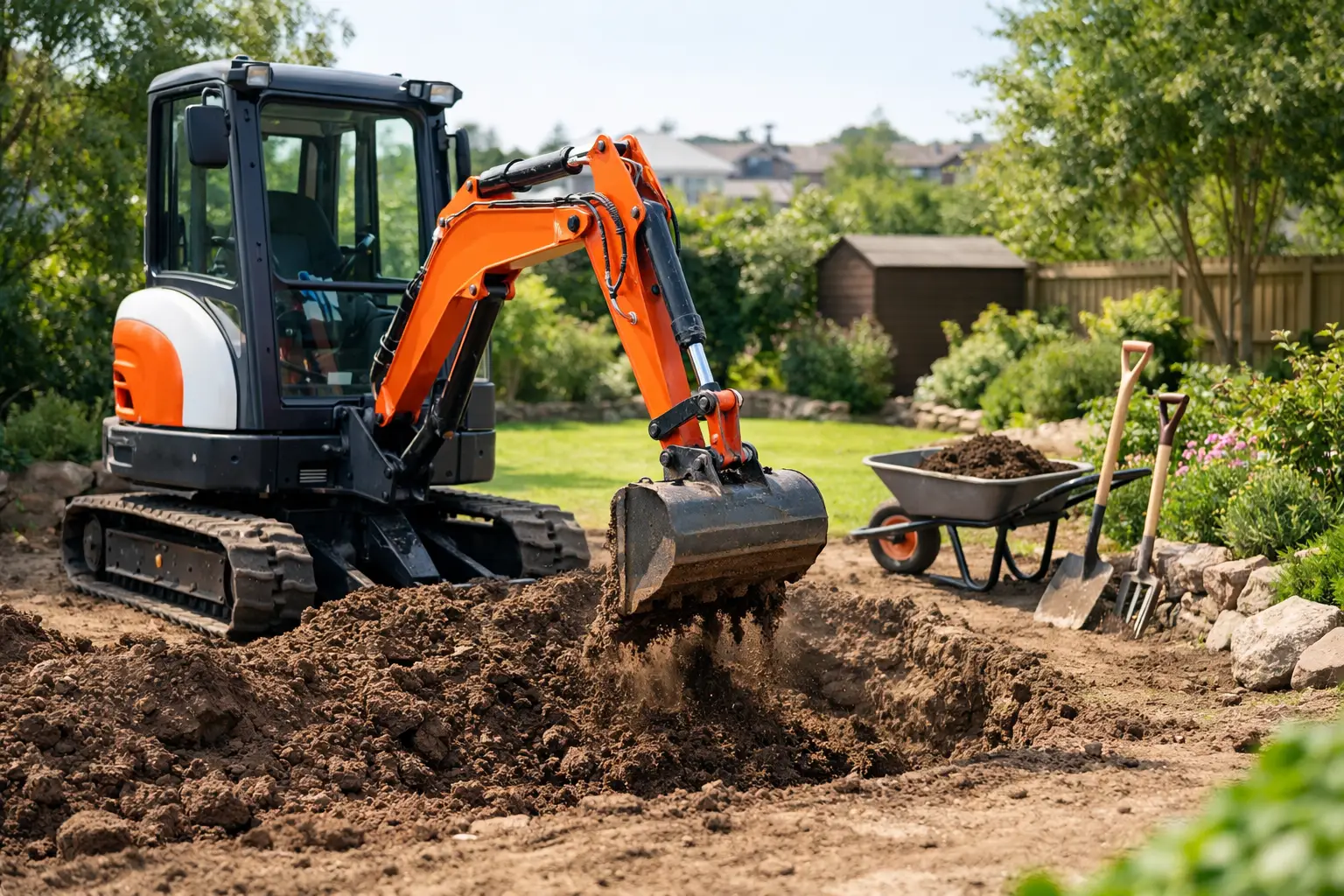
A garden that needs levelling, a driveway base that needs digging out, or a pile of soil that has outgrown the wheelbarrow stage all call for the same practical answer: digger hire Worthing. The right machine can turn days of back-breaking work into a job completed in a fraction of the time, provided you choose a suitable size and prepare the site properly.
For homeowners, landlords and small contractors, hiring a digger is often the sensible middle ground. You get the power needed for proper groundwork without the cost and upkeep of owning plant that may sit unused for most of the year.
When digger hire in Worthing makes sense
A digger is useful whenever you need to move, remove or shape a substantial amount of earth. Garden landscaping is a common reason to hire one, particularly when creating levels for a patio, lawn, pond, shed base or retaining wall. It is also useful for digging drainage channels, removing old turf, breaking up compacted ground and loading soil into a skip or grab lorry.
For property work, a compact excavator can help with driveway preparation, foundation trenches, utility routes and clearing ground before an extension or outbuilding project begins. If you are working on a rental property or preparing a house for sale, it can speed up an outdoor clear-out that has been put off for too long.
The key question is not simply whether the job involves soil. It is whether the volume of material, distance it needs moving and time available make manual work unrealistic. For a few bags of topsoil, a shovel may be enough. For several tonnes of clay, rubble or garden waste, machinery is likely to save both time and strain.
Choosing the right digger for the job
Bigger is not always better. A machine that is too large can damage lawns, struggle to enter a narrow garden or create problems on soft ground. A compact mini digger is usually the better fit for domestic work in Worthing, especially where access is through a side gate or along a driveway.
Before arranging hire, measure the narrowest point the machine needs to pass. Do not forget gates, fencing, parked cars, tight turns and low branches. Measure the route from the road to the work area, not just the area where digging will happen. If access is limited, explain this when booking so the most suitable option can be discussed.
Ground conditions matter too. A digger can make light work of soil, but wet ground may become churned up quickly. Heavy clay can be harder to dig and load than dry, loose earth. If you need to protect a finished driveway, paving or lawn, plan where the machine will travel and consider suitable ground protection.
You should also think about where excavated material will go. Digging creates a surprising amount of spoil. A small trench or pond can produce more soil than expected once it is loose and piled up. If it is clean soil, you may be able to reuse it elsewhere in the garden. If not, arrange a suitable removal option before work starts.
Plan the waste removal before you start digging
A digger keeps the job moving, but it does not make soil, rubble, roots or broken paving disappear. Sorting out disposal first prevents a half-finished project and a driveway full of material.
A skip can work well when you have a clear, accessible place to load it and the waste will be produced over several days. It gives you time to work at your own pace. However, heavy materials soon add up, so make sure the skip size and waste type are suitable for what you are removing.
For large piles of loose soil, hardcore or mixed garden waste, grab hire can be a quicker option. The lorry can collect material from an accessible position, often without you having to load it by hand. This is particularly helpful where a digger is already creating a stockpile close to the road or driveway.
It depends on the site. A rear garden with no external access may suit a skip, while a front garden clearance with a sizeable pile near the road may be better suited to a grab collection. If you are clearing a mixture of soil, timber, old fencing, green waste and household rubbish, keep materials separated where possible. It can make removal simpler and help avoid avoidable complications.
Check access, services and the work area
Hiring a digger should make the job easier, not introduce expensive mistakes. Spend a little time preparing the area before the machine arrives. Mark out the digging route, remove loose obstacles and keep children, pets and anyone not involved in the job well away from the work zone.
Underground services need particular care. Water pipes, gas lines, electricity cables, drainage runs and telecommunications cables may be present even where there is no obvious sign above ground. Never assume a garden is clear just because it has been dug before. Check available service information and use hand digging carefully around suspected services.
There are four straightforward checks worth making before the start date:
- Measure all access points, including the tightest turn into the work area.
- Identify overhead hazards such as cables, branches, guttering and low roofs.
- Decide where soil, rubble and green waste will be placed for collection.
- Mark areas that must not be damaged, including drains, boundaries and finished surfaces.
A clear plan also helps if you are having materials delivered. Keep enough room for the digger, a skip or grab lorry, and any aggregate, paving or timber arriving for the next stage of the project. Trying to fit everything into one small driveway can slow the work down considerably.
Operator hire or self-drive: what is right for you?
This depends on your experience, the complexity of the work and how close you are working to property, services or boundaries. An experienced operator can dig efficiently, shape levels accurately and load waste with far less disruption. For jobs involving drainage, foundations, restricted access or difficult ground, professional operation is often the safer and quicker choice.
Self-drive hire can suit confident users carrying out straightforward tasks on open ground. Even then, take the time to understand the controls, safe operating limits and the machine’s working area. Do not rush because the hire period is ticking away. A digger is powerful equipment, and repairing damaged paving, fencing or drainage can cost far more than allowing an extra day for the job.
Be realistic about the finish required. Rough excavation for a garden clearance is different from preparing a level base for a patio or digging a trench at a specific depth. If precision matters, a skilled operator and careful setting out are worth considering.
How to keep a small excavation job on schedule
The best digger jobs are organised in the right order. Clear rubbish and movable obstacles first. Mark the area to be excavated, arrange waste removal and make sure the access route is free before the machine arrives. Then dig, load and remove material in stages rather than creating an unmanageable mound.
Weather can affect the plan, especially in winter or after prolonged rain. Saturated lawns and soft soil can limit access and leave ruts. On the other hand, very dry, compacted ground may take longer to break up. Allow a little flexibility rather than booking every delivery, collection and labour task into one tight day.
For domestic projects, it also pays to consider neighbours. Let them know if machinery, deliveries or collections could briefly affect parking or access. Keeping the work area tidy and arranging prompt removal of spoil makes a noticeable difference on a residential street.
Get the machine and clearance service working together
Digger hire is most cost-effective when it forms part of a practical site plan. There is little benefit in excavating quickly if the waste then sits in the garden for weeks. Matching machinery hire with a skip, grab collection or rubbish removal service keeps the project moving from first dig to final clear-up.
D J Recycling provides local waste and plant solutions for customers who need a straightforward way to manage both the digging and the disposal. Whether you are clearing a garden, preparing ground for a build or dealing with a heavy pile of soil and rubble, the aim is simple: use the right equipment, clear the waste promptly and get your space back into usable condition.
A well-planned digger hire can be the point where a garden project stops feeling overwhelming. Measure the access, think ahead about the spoil, choose the right level of help and give yourself enough time to do the job properly.