

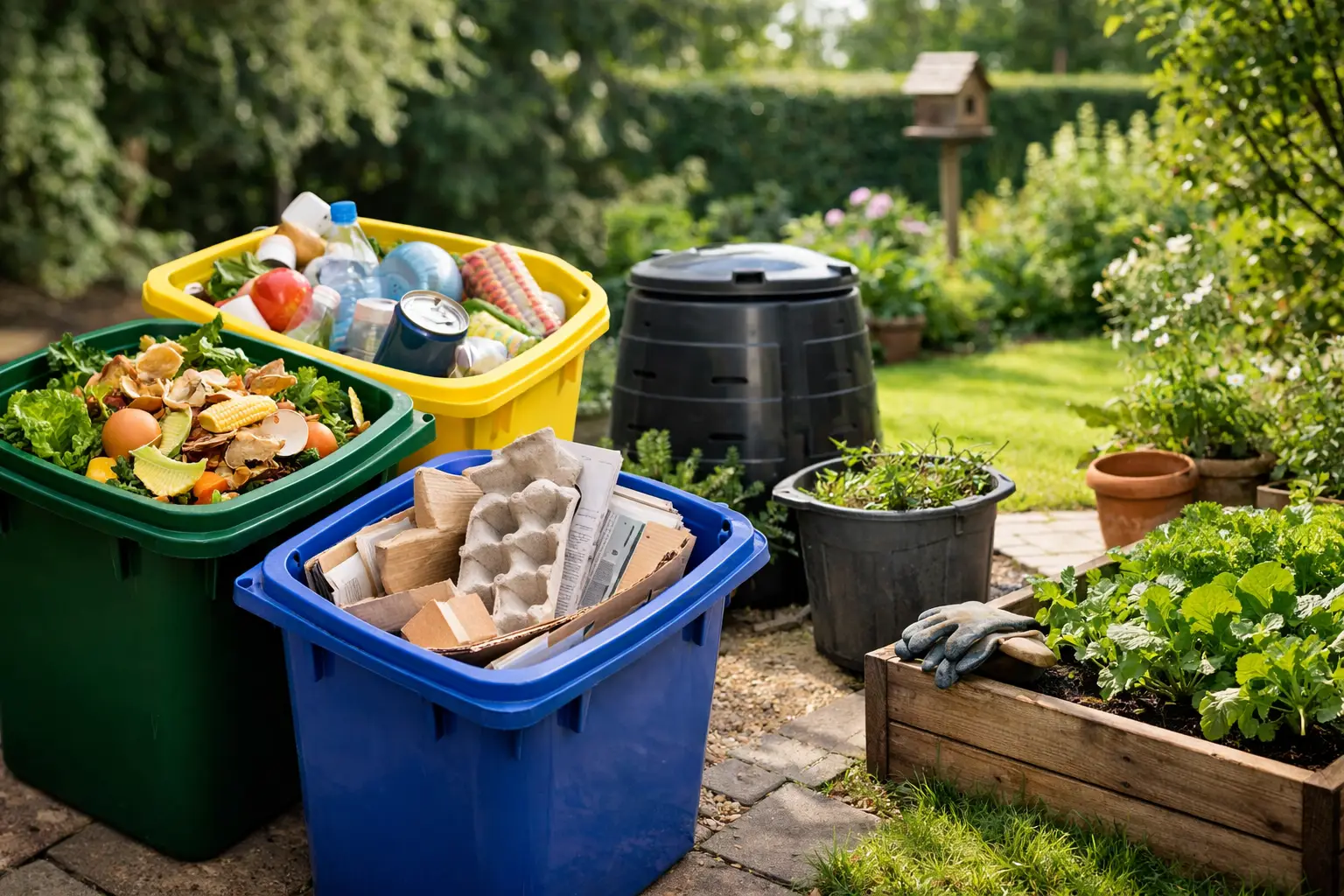
A garage full of old boxes, a broken sofa in the hallway or a garden piled with cuttings can quickly turn into a job that feels bigger than it is. Waste recycling is far easier when the collection method suits the amount of rubbish, the access to your property and the time you have available.
For homeowners, landlords and small contractors around Worthing and Sussex, the aim is usually simple: clear the waste properly, keep the cost sensible and avoid repeated trips to the tip. The right service can take care of the lifting, loading and disposal, leaving you with a usable space again.
Waste Recycling Starts With the Right Service
There is no single best way to dispose of every load. A skip can be a practical choice for a renovation where waste builds up over several days. A rubbish collection may be better for a one-off pile that is ready to go now. For a full house, garage or end-of-tenancy clear-out, a clearance team can save a great deal of time and effort.
Choosing the right option at the start helps prevent two common problems: hiring a container that is too small, or paying for more capacity than the job needs. Think about what you are clearing, how quickly it needs to be gone and whether a vehicle can get close to the waste.
Skip hire for projects with ongoing waste
A skip is a straightforward option when you are refitting a kitchen, clearing a garden, renovating a room or handling regular site waste. It gives you a place to put rubbish as you work, rather than creating piles around the property.
Smaller skips are often enough for general household jobs, while larger sizes suit heavier or more substantial clear-outs. D J Recycling offers skips from 2 to 8 yards, so there is a practical option for anything from a modest tidy-up to a larger domestic project.
Before booking, consider where the skip will sit. A driveway is usually the easiest location. If space is limited, access is awkward or you do not want a skip outside for several days, another collection method may make more sense.
Rubbish removal for waste that is ready now
If you have already gathered everything into one place, a rubbish removal service can be the quickest answer. This works well for bagged household rubbish, unwanted furniture, garden waste, packaging from a move, old fittings and general clutter.
The team loads the waste for you, which is especially useful when you are dealing with bulky items or cannot safely move them yourself. It also avoids the need to estimate skip size when the job is relatively small but inconvenient to transport.
This option depends on good access. Let the collection team know if there are stairs, narrow passages, a shared entrance or restricted parking, as these details affect how the job is planned.
Property clearance for bigger changes
A house clearance is rarely just about getting rid of rubbish. It can follow a move, a bereavement, a tenancy change or a long-overdue clear-out. In these situations, sorting, lifting and arranging separate collections can be exhausting.
A full or partial clearance gives you a more hands-on service. It is useful for homes, flats, garages, sheds and rental properties where there is a mixture of furniture, loose items, bags and unwanted household contents. Landlords and property managers can also benefit from a fast turnaround between tenancies.
For individual bulky items, such as sofas and mattresses, a dedicated collection can be more practical than hiring a skip. You only pay for the disposal solution you need, and you do not have to find space for a container.
What Can Be Recycled or Recovered?
Recycling is not simply a case of putting every item into one load and hoping for the best. Different materials need different handling, and some items can be recovered more easily when they are kept separate and reasonably clean.
Common materials from home and garden projects may include wood, metal, cardboard, green waste, rubble, soil and general mixed rubbish. Furniture and mattresses require their own disposal route, while electrical items, paint, chemicals, gas bottles and other potentially hazardous materials need checking before collection or loading into a skip.
The practical approach is to be clear about what you have. If you are unsure whether an item can go into a skip or be collected with general rubbish, ask before booking. A quick question can avoid a wasted journey, an overloaded skip or an unexpected issue on collection day.
Keep loading safe and sensible
A well-loaded skip makes the job easier to manage. Break down cardboard where possible, keep lighter waste from blowing about and spread heavy materials rather than putting all the weight in one area. Do not overfill above the top edge, as the skip needs to be safely covered and transported on the lorry.
For heavier materials such as soil, hardcore or rubble, the amount matters more than the physical space they take up. A smaller container may be the right choice for dense waste, while a larger skip can be better for bulky but lightweight items such as timber, packaging and old furnishings.
If you are clearing a garden, separate green waste from broken fencing, pots, soil and general household rubbish where you can. It makes the job easier to assess and may help you choose the most suitable service.
How to Avoid Paying for the Wrong Option
The cheapest-looking option is not always the best value. A small skip may seem economical, but it becomes poor value if you need a second one. Equally, a large skip for a few awkward items can cost more than a collection where the team loads everything in one visit.
Start by looking at the waste in terms of volume and type. A few black bags and a chair are very different from a bathroom refit or a garage that has not been touched for ten years. Photos can also help a waste provider give a more accurate recommendation when you enquire.
Timing is another factor. If you need waste gone before a property handover, a viewing or building work starts, a ready-to-load collection or clearance may be preferable. If you are working gradually over a weekend or week, skip hire gives you more flexibility.
Access can make the decision for you. A skip needs a suitable place to be dropped and collected. If your home has no driveway, limited road space or difficult access, skip bags, grab hire or a manned rubbish collection may be a better fit.
Waste Recycling for Landlords and Small Contractors
Waste disposal can hold up the next stage of a job. A landlord needs a flat cleared before new tenants arrive. A decorator needs old carpets, packaging and fittings removed without leaving a mess outside. A small builder needs a dependable route for renovation waste without spending half the day at a recycling centre.
For these jobs, reliable collection matters as much as price. Booking a service that matches the job means less downtime, fewer trips and a tidier site. It also gives tenants, neighbours and customers a better impression of how the property is being managed.
Regular trade users may prefer a familiar local provider that can arrange skips, waste collections, grab hire or plant hire when needed. The right setup depends on the site, the material and the pace of work, not just on the size of the project.
A Clear Space Is Closer Than You Think
You do not need to wait until a spare room, garden or garage becomes unmanageable. Start with the waste you can see, choose a disposal option that suits the access and volume, and let the right team handle the heavy work. A prompt, properly planned clearance can turn a difficult job into one less thing on your list.
