

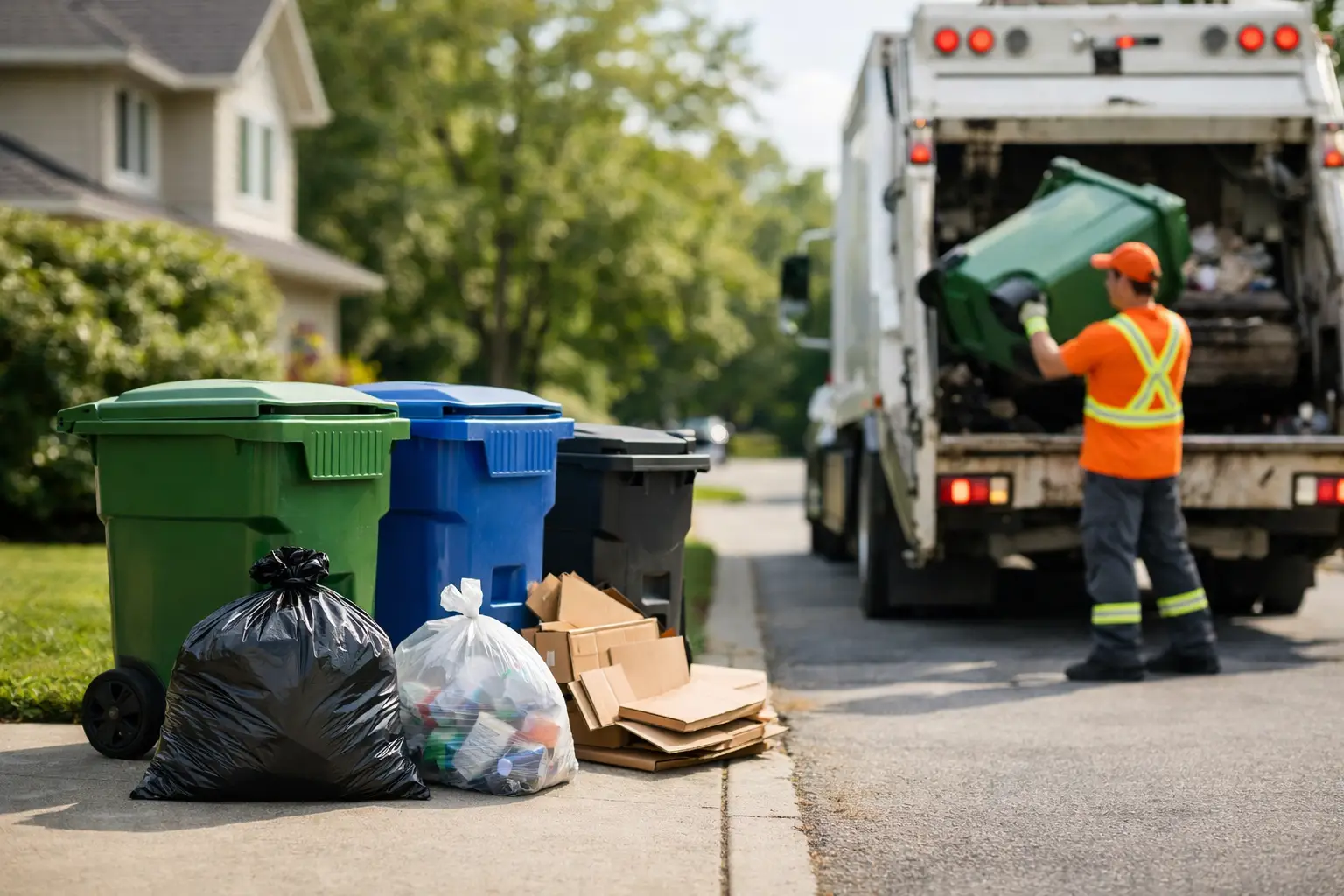
A pile of broken furniture in the garage, bags of old clothes after a move, rubble from a DIY job – household waste can build up faster than expected. This guide to household waste collection explains the practical ways to get it removed, what can usually be collected, and how to choose a service that suits the size of the job.
The right option is not always a skip. If you have limited access, no driveway, a tight deadline or only a few bulky items, a collection service or clearance can often be quicker and better value. The aim is simple: clear the waste safely without making the job harder than it needs to be.
Start by sorting the waste you have
Before arranging collection, take a quick look at what needs to go. Separating waste into rough groups makes it easier to get the right quote and prevents problems on collection day.
General household rubbish, old furniture, garden waste, cardboard, wood, metal and DIY materials can often be removed together, depending on the service chosen. Bulky items such as sofas, wardrobes, beds and white goods need more space and handling than bagged rubbish, so it helps to mention them when booking.
Some materials need special treatment. Paint, chemicals, gas bottles, batteries, tyres, asbestos and electrical items may have separate disposal requirements. Never assume they can go in a general waste load or skip. Be clear about anything unusual from the outset so it can be handled properly.
It is also worth keeping reusable items separate. A working chest of drawers, clean toys or usable kitchenware may not be rubbish at all. Removing these before collection can reduce the volume you are paying to dispose of.
Choose the right household waste collection method
The best method depends on how much waste there is, how quickly it needs to go and whether there is space for a container outside your property. For most homes in Worthing and the surrounding Sussex area, the choice usually comes down to a skip, a waste collection, a skip bag or a full clearance.
Skip hire for steady clear-outs and renovation waste
A skip works well when you are clearing waste over several days or weeks. It gives you somewhere to put rubbish as you go, which is useful for kitchen refits, decorating, garden projects, garage clear-outs and small building work.
Smaller skips are often enough for a bathroom refurbishment or a garden tidy. Larger sizes make more sense for house renovations, heavier mixed waste or a substantial clearance. Be realistic about the volume. Ordering too small a skip can mean arranging a second collection, while an oversized skip may cost more than necessary.
Access matters too. A skip needs a suitable place to sit, usually a driveway or private land. If it must be placed on the road, a permit may be needed from the local authority. This can take time, so it is worth checking before booking rather than on delivery day.
Rubbish removal when you want it gone quickly
A man-and-van style waste collection is often the easier option for a smaller load, a few awkward items or a job where you do not have room for a skip. The team loads the rubbish for you, so there is no need to carry heavy furniture down the drive or spend the weekend filling a container.
This works particularly well for old sofas, mattresses, appliances, bags of household clutter, broken garden furniture and waste left after a tenant moves out. It is also useful if rubbish is stored in a rear garden, shed, loft or upstairs room, although access should always be discussed when arranging the job.
The trade-off is that collection services are generally best for waste that is ready to go. If you are still stripping out a room or making several trips to the garage, a skip may give you more flexibility.
Skip bags for lighter, flexible jobs
Skip bags sit between a traditional skip and a collection service. They are a good fit for bagged garden waste, old household items, packaging and lighter DIY rubbish when you do not need a metal skip taking up driveway space.
They are less suitable for very heavy materials such as large quantities of soil, hardcore or rubble. Always check the bag’s capacity and permitted materials before filling it. Overfilling can delay collection and create an avoidable extra cost.
House and garage clearance for larger jobs
For a whole-property clear-out, a garage full of years of stored items, or an end-of-tenancy job, a clearance service saves considerable time. Rather than hiring a skip and doing all the lifting yourself, a team can remove the contents, load the vehicle and leave the space ready for cleaning, sale or new tenants.
This is particularly helpful after a house move, bereavement, tenancy change or major decluttering project. It also gives landlords and property managers a straightforward way to deal with left-behind belongings without coordinating several separate collections.
How to avoid unnecessary collection costs
The quickest way to keep household waste collection affordable is to provide accurate information. Photos are useful, but a clear description also helps: how many bags are there, what size is the furniture, is there rubble, and where is the waste located?
Try to keep waste dry and contained where possible. Loose rubbish spread across a garden takes longer to load than bagged or stacked items. Breaking down cardboard boxes and dismantling simple furniture can reduce volume, but do not take apart anything that creates sharp edges or makes lifting less safe.
Do not hide prohibited waste in a mixed load. Hazardous materials, tyres, plasterboard and electrical items can affect how a collection is priced and disposed of. Being upfront is the simplest way to avoid a failed collection or additional charges.
If you are using a skip, do not fill it above the rim. Waste sticking out can make it unsafe to transport, and the driver may be unable to collect it until the load is levelled. Heavy waste should be spread evenly through the skip rather than piled in one corner.
Prepare for collection day
A little preparation makes the visit faster for everyone. Make sure there is a clear route to the rubbish, unlock side gates, move cars if they block access and keep pets safely indoors. If the collection includes bulky furniture from inside the property, remove personal belongings from drawers and cupboards first.
For outdoor collections, place the waste where it can be reached safely without blocking a pavement or neighbouring access. If you live in a flat or have restricted parking, explain this when booking. A collection can still be possible, but the right vehicle and timing need to be planned.
Weather can affect loose garden waste, cardboard and uncovered items. Covering materials before collection is not essential in every case, but it can make a job cleaner and easier, particularly during a spell of rain.
Responsible disposal matters
Cheap waste removal is only good value if the rubbish is dealt with responsibly. Using an established local provider means your waste should be taken to an appropriate facility, with recyclable materials separated where possible.
Fly-tipping is not just someone else’s problem. If your household waste is handed to an unlicensed operator and later dumped, you could face questions about where it came from. Be wary of vague cash-only offers, no clear business details or anyone unwilling to explain how the waste will be removed.
For customers who want a practical local option, D J Recycling can match the service to the job, whether that means a skip, a quick bulky-item collection or a complete clearance. The important part is choosing a method that fits your property, waste type and timescale rather than paying for a one-size-fits-all solution.
When should you book?
Book as soon as you know the likely date, especially if you need a skip for a renovation or clearance around a move. Next-day options can be useful for urgent jobs, but availability may vary during busy periods and around bank holidays.
For a collection, have the waste gathered and ready before the agreed slot wherever possible. For a clearance, leave enough time to identify anything you want to keep. Once a room starts being emptied, it is easy for important paperwork, keys or personal items to get mixed in with the rubbish.
A clear space makes a home easier to enjoy, sell, let or renovate. Measure the job honestly, choose the collection method that removes the hard work, and you can get on with the part that matters next.
